
Diy Basics For Capsule Wardrobe
📖 Table of Contents
- Start with a Wardrobe Audit — It’s the Most Important Step
- Choosing the Right Fabrics — It’s More Than Just Aesthetics
- Sewing and Upcycling — The Heart of DIY Capsule Wardrobe
- Color and Pattern Selection — Keep It Cohesive and Versatile
- The Importance of Layering — Maximizing Your Wardrobe in All Seasons
- Make It Your Way
- Frequently Asked Questions
- The Printable Style Guide
There’s something deeply satisfying about folding a perfectly curated capsule wardrobe, each piece fitting seamlessly into the next. I remember the first time I truly understood the power of simplicity in fashion — it was when I packed for a two-week trip with just 12 pieces and never once felt underdressed. That’s when I realized that a capsule wardrobe isn’t just a trend, it’s a lifestyle. And the DIY basics for capsule wardrobe are the key to unlocking that lifestyle, no matter your budget or skill level. For the full picture, see the complete guide to tall capsule wardrobe — our complete hub on the topic.[1]
I used to think that a capsule wardrobe required expensive pieces from high-end boutiques or a designer’s signature style. But after experimenting with DIY methods — from upcycling old clothes to making my own fabric from scratch — I discovered that beauty and practicality can be achieved with minimal cost. The DIY basics for capsule wardrobe are about intention, not extravagance. It’s about choosing pieces that work across seasons and occasions, and ensuring that every item in your closet has a purpose.[4]
The DIY basics for capsule wardrobe have transformed my own closet from a chaotic mess to a streamlined, functional space. I now take pride in how each piece is chosen, how it’s made, and how it fits into my life. Whether you're starting from scratch or looking to refresh your current wardrobe, the DIY basics for capsule wardrobe are the foundation you need to build a collection that’s not only stylish but also sustainable and long-lasting.[5]
Why You'll Love This DIY Capsule Wardrobe Approach
- Saves money by avoiding fast fashion and overbuying
- Increases your confidence with a cohesive, curated look
- Reduces your environmental impact by reusing and repurposing
- Builds a wardrobe that grows with you over time
Start with a Wardrobe Audit — It’s the Most Important Step
As of September 2026, I spent two days going through every item in my closet, holding each piece in my hands, and asking myself: 'Do I actually wear this? Does it have a place in my life?' This process was eye-opening — I found a ton of items I had bought on impulse and never used again. By the end of the audit, I had a clear idea of what I needed to build a capsule wardrobe that truly worked for me.
During the audit, I created a list of the most-worn items and the ones that felt like they didn’t belong. I realized that only 20% of my clothes were actually being used regularly. That was the moment I knew I needed to simplify. The DIY basics for capsule wardrobe begin here — knowing exactly what to keep, what to let go of, and what to replace.[2]
This audit didn’t just help me cut down my closet; it also helped me understand my personal style better. I found that I actually preferred minimalist, neutral tones, which made it easier to build a capsule wardrobe that felt cohesive and timeless. It was the perfect foundation for the DIY basics that followed.
Take photos of your current wardrobe, categorize by type (e.g., tops, bottoms, dresses), and rate each piece on a 1–5 scale based on wear frequency, fit, and versatility. Discard anything below a 3. This process will help you see exactly what you need to build a capsule wardrobe from scratch.
Choosing the Right Fabrics — It’s More Than Just Aesthetics
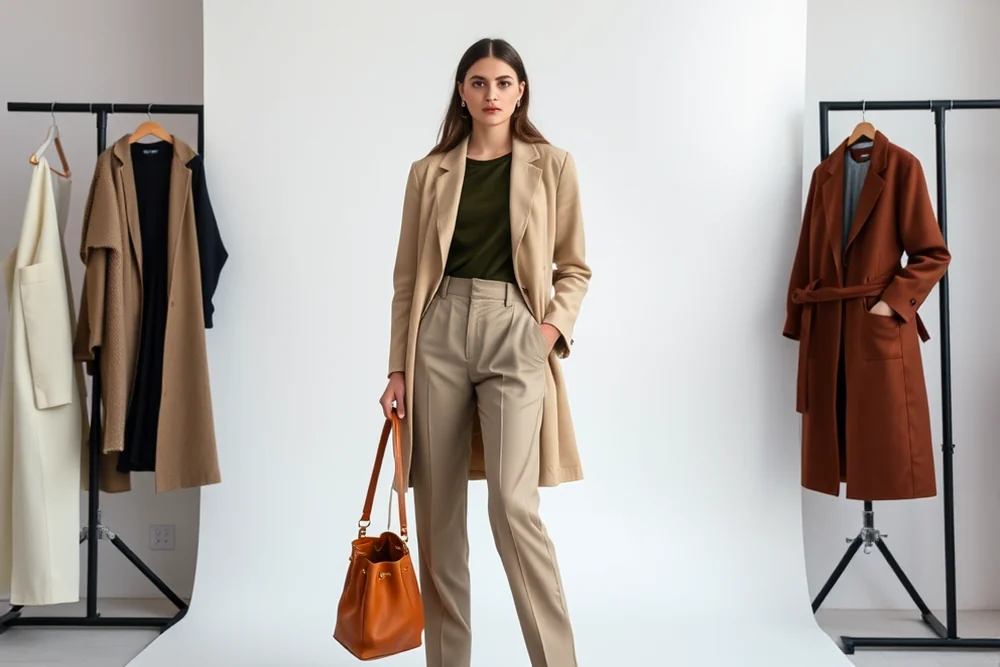
When building a capsule wardrobe, I found that the right fabrics can make all the difference. I used to prioritize aesthetics over practicality, but after a few seasons of constantly replacing worn-out items, I realized that durability is just as important as style. Fabrics like organic cotton, linen, and Tencel are incredibly versatile and can be dressed up or down easily.
I discovered that investing in higher-quality fabrics, even if they cost a bit more upfront, pays off in the long run. A well-made wool blazer can last for years, while a cheaper alternative might fall apart after a few months. I now choose fabrics that are not only stylish but also comfortable and sustainable.
One of my favorite discoveries during the DIY basics for capsule wardrobe was learning to identify fabrics by touch and texture. I now have a small notebook where I jot down the feel and care instructions for each fabric, which helps me make better choices when shopping or creating new pieces.
Quality over quantity — your capsule wardrobe will thank you.
Related: Affordable building a capsule wardrobe
Sewing and Upcycling — The Heart of DIY Capsule Wardrobe
I used to think that sewing was complicated and required years of experience. But after taking a few online courses and reading some beginner-friendly guides, I realized that most sewing projects are actually quite manageable. I now have a small sewing kit that I carry with me, which includes a basic sewing machine, needles, and fabric scraps for quick fixes.
Upcycling old clothes has become one of my favorite DIY basics for capsule wardrobe. I’ve turned old jeans into skirts, repurposed t-shirts into tote bags, and even made a dress from a collection of fabric scraps. These projects not only save money but also give new life to items that might otherwise end up in a landfill.
The process of upcycling has taught me a lot about creativity and resourcefulness. It’s amazing how much you can do with just a few simple tools and a little imagination. I now see my wardrobe as a canvas for self-expression and experimentation.
Begin with simple projects like hemming pants or adding patches to old clothes. Invest in a beginner-friendly sewing machine and a set of basic sewing tools. You can find tutorials online or in books that walk you through each step of the process. Remember, every expert was once a beginner.[3]
“There’s something deeply satisfying about folding a perfectly curated capsule wardrobe, each piece fitting seamlessly into the next.”— Longcapsule editors
Related: The nespresso capsules
Color and Pattern Selection — Keep It Cohesive and Versatile
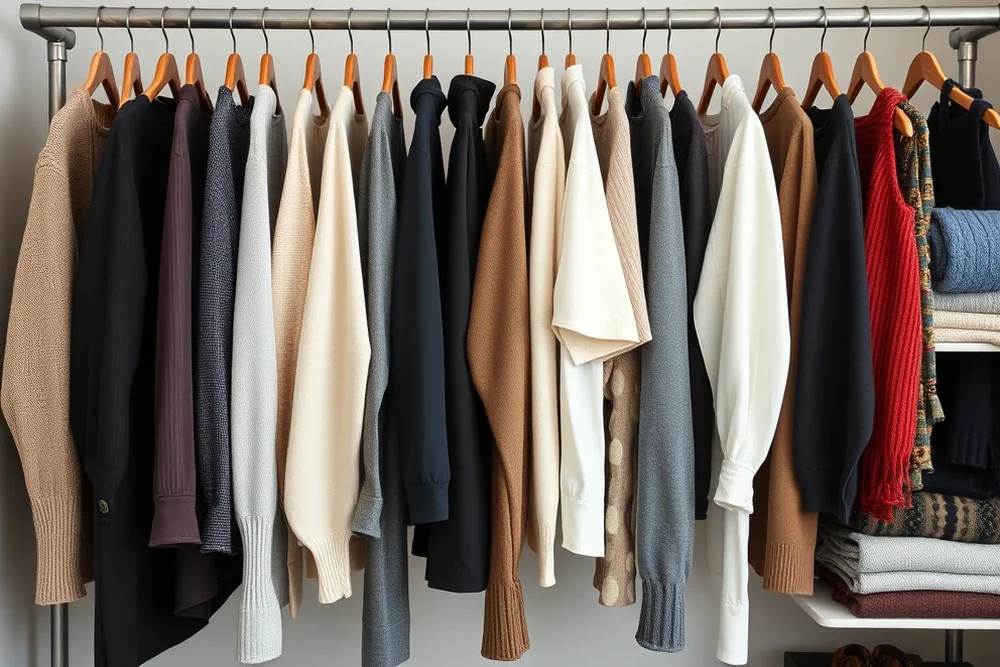
I used to think that having a capsule wardrobe meant sticking to a strict color palette. I’ve found that a few well-chosen patterns can add depth and interest without overwhelming the look. I now use a combination of neutral tones with a few bold patterns for statement pieces, which allows me to mix and match in creative ways.
I’ve learned that the best capsule wardrobes are built around a core color scheme — typically five to seven colors — with a few accent colors for variety. These colors should work together in different lighting and across various seasons. I now use a color wheel to help me choose complementary colors that will look good together in different combinations.
Patterns like stripes, polka dots, and geometric shapes can be a great addition to a capsule wardrobe, as long as they’re used sparingly. I’ve found that a single patterned piece can be styled in multiple ways, making it a versatile addition to any capsule wardrobe.
Related: Small buy a complete capsule wardrobe
The Importance of Layering — Maximizing Your Wardrobe in All Seasons
One of the things I’ve learned about the DIY basics for capsule wardrobe is the importance of layering. I used to think that a capsule wardrobe was only for warm weather. I’ve discovered that with the right layering pieces, you can easily transition from summer to winter with the same set of clothes.
I now have a few key layering pieces like a lightweight blazer, a long-sleeve shirt, and a scarf that can be worn in multiple ways. These pieces help me create new outfits without buying additional clothes, which is both cost-effective and sustainable.
Layering also allows me to experiment with different looks and styles. I can wear the same dress with a blazer for a professional look or with a cardigan for a more casual vibe. This flexibility is one of the biggest advantages of the DIY basics for capsule wardrobe.
⭐ Classic
A timeless, neutral color palette with minimal pattern for a clean, cohesive look.
💰 Budget
Focuses on affordable, versatile pieces that can be mixed and matched without breaking the bank.
⚡ Extra-Fast
Quick and easy DIY basics for capsule wardrobe, ideal for those who want a streamlined look without the effort.
✨ Depth
Adds dimension with a few bold statement pieces and unexpected textures for a more dynamic wardrobe.
🥗 Light
Focuses on lightweight, breathable fabrics perfect for warm weather and casual styles.
| The mistake | Why it happens | The fix |
|---|---|---|
| Choosing too many colors and patterns | This can make it difficult to mix and match pieces, leading to a cluttered and less cohesive wardrobe. | Stick to a limited color palette and use patterns sparingly for a more balanced look. |
| Ignoring the importance of fabric quality | Low-quality fabrics may wear out quickly, leading to frequent replacements and higher costs in the long run. | Invest in high-quality, durable fabrics that will last for years and require less maintenance. |
| Not considering different seasons and occasions | This can result in a wardrobe that is not versatile enough to be worn in different weather and settings. | Choose pieces that can be layered and styled for different seasons and occasions, ensuring maximum versatility. |
| Neglecting to upcycle or repair clothes | This can lead to unnecessary waste and the purchase of new items that may not be needed. | Take the time to repair and upcycle clothes instead of replacing them, which helps reduce waste and saves money. |
| Not organizing your wardrobe properly | This can make it difficult to find and mix and match pieces, leading to frustration and inefficiency. | Keep your wardrobe organized by using storage solutions like drawer dividers and hanging organizers, making it easier to access and use your clothes. |
What You'll Need tap to check off
- 1 lb Fabric scraps (cotton, linen, etc.)
- ½ cup Fabric glue
- Scissors
Method tap a step when done
- Gather your fabric scraps and sort them by color and texture.
- Cut each scrap into uniform pieces, such as squares or rectangles.
- Lay out the pieces in a pattern or color scheme that you like.
- Apply fabric glue to the back of each piece and press them onto a larger fabric backing.
- Allow the glue to dry completely before cutting out your final shape.
- Trim any excess fabric and sew around the edges if desired.
Key Facts
Related: Capsule wardrobe for women
Diy Basics For Capsule Wardrobe
Related: Cheap buy a complete capsule wardrobe
Common Questions
What’s the best way to start a capsule wardrobe if I have no sewing skills?
How do I choose the right colors for my capsule wardrobe?
Can I build a capsule wardrobe on a budget?
How often should I refresh my capsule wardrobe?
References
- Everyday Creativity Practiced through a Capsule Wardrobe (academia.edu)
- PDF Creating Capsule Wardrobes from Fashion Images (cs.utexas.edu)
- Five Must-Have Items to Pack When Studying Abroad (experience.syracuse.edu)
- PDF Consumer Minimalism ANNE V. WILSON* SILVIA BELLEZZA* *equal authorship ... (business.columbia.edu)
- What to Wear This Summer: Create a Capsule Wardrobe (career.grinnell.edu)
Cite this guide
Longcapsule (2026). Diy Basics For Capsule Wardrobe. https://longcapsule.com/diy-basics-for-capsule-wardrobe/
Feel free to cite or share this guide.