
Building A Capsule Wardrobe Alternatives
📖 Table of Contents
There was a time when I thought building a capsule wardrobe was the only way to simplify my life. I spent weeks curating the 'perfect' 30-piece collection, only to find that it didn't account for the ever-changing seasons, my fluctuating mood, or the unexpected demands of work. That’s when I realized: there are alternatives to the traditional capsule wardrobe that not only offer more flexibility but also align better with my lifestyle. These alternatives aren’t just about buying fewer clothes — they’re about understanding your needs and tailoring your approach accordingly.[1]
The traditional capsule wardrobe model is rigid and assumes you wear the same items in every context — but I rarely fit that mold. I’ve found that alternatives like a modular wardrobe, micro-capsules, seasonal variations, and even a closet rotation system work better for someone who moves between multiple environments in a day. Building a capsule wardrobe alternatives isn’t about rejecting the concept entirely — it's about adapting it to your reality, not the other way around.[5]
When I finally embraced these alternatives, I noticed a shift in how I interacted with my closet. I no longer felt the pressure of 'getting it right' on the first try. Instead, I built a wardrobe that evolved with me. This article will walk you through how to create a more flexible wardrobe system, with practical steps and real-life insights that have worked for me.
Why You'll Love This Approach
- More adaptability to your daily life and changing needs
- Reduced stress of over-curating a rigid wardrobe
- Easier to maintain and update over time
- Saves time and energy in the long run
Understanding the Problem with Traditional Capsule Wardrobes
As of September 2026, the traditional capsule wardrobe is built on the idea of a fixed number of items that you wear in all scenarios — but in reality, most people lead multifaceted lives. For example, I wear a tailored blazer for client meetings, but I also need a sweatshirt for my weekend hikes. The original capsule model doesn't allow for this kind of nuance, and that's why many people end up feeling constrained.
I tried the 30-piece capsule approach, and while it initially felt empowering, it quickly became restrictive. I found myself wearing the same items in situations they weren’t suited for, and I missed the comfort of having variety. This experience taught me that the rigid model may not be the best fit for everyone.[2]
The key takeaway is that a one-size-fits-all approach to capsule wardrobes isn't always practical. It’s important to evaluate your life and find a method that works for you, not the other way around.
Before choosing a wardrobe method, write down all your typical activities in a week. This will help you understand the variety of clothing you actually need.
Part of our Tall capsule wardrobe guide.
The Modular Wardrobe Alternative

The modular wardrobe approach is one of my favorites. Instead of buying a fixed number of items, you build a foundation of versatile pieces that can be combined in different ways. For example, a white shirt can be paired with a blazer for work, a denim jacket for casual days, or a sweater for colder evenings.
I created a modular system with a base of 15 core items, and by layering them with accessories and different footwear, I was able to create over 50 outfits. This method gave me more flexibility without the stress of over-curating.[3]
This system is especially useful if your schedule changes frequently. You can easily swap out pieces based on the day's demands without feeling like you're starting over.
A modular wardrobe is like a puzzle — the pieces are the same, but the outcome can be entirely different.
Related: Natural travel capsule wardrobe
Micro-Capsules for Different Life Phases
If you're juggling multiple roles — like working full-time, parenting, and taking weekend classes — micro-capsules can be a game-changer. This approach involves creating separate mini-capsules for different aspects of your life, such as one for work, another for family time, and a third for weekends.
I built a micro-capsule for my work week with 10 professional pieces, and another for weekends with 10 more relaxed items. This way, I could transition smoothly between roles without feeling like I was constantly changing my entire wardrobe.[4]
This method is particularly useful for people who lead multifaceted lives. It’s flexible enough to adapt to different moods and needs without overwhelming your closet.
Identify the key phases of your life and build a micro-capsule for each. This allows you to stay organized and adaptable without overcommitting to a single style.
“There was a time when I thought building a capsule wardrobe was the only way to simplify my life.”— Longcapsule editors
Related: Easy building a capsule wardrobe
Seasonal Rotation Systems
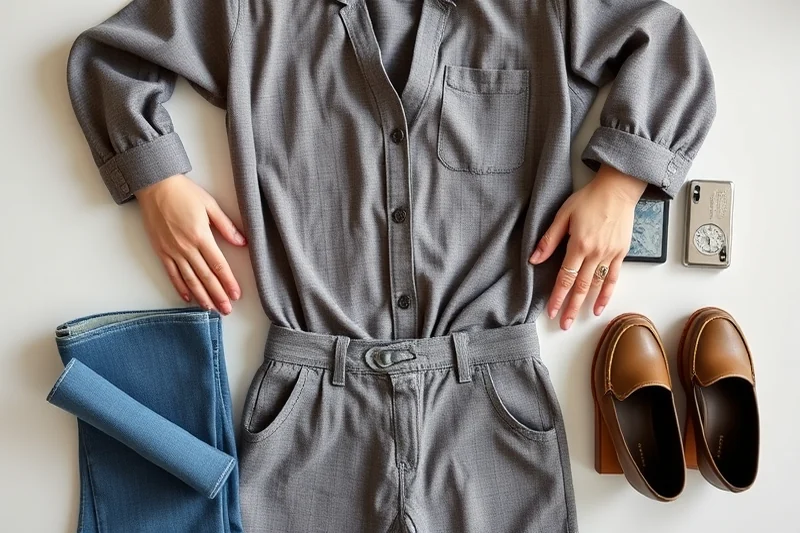
I used to buy a lot of seasonal clothes, only to have them sit in my closet until the next season. That’s when I tried a seasonal rotation system — keeping only a few core items in my closet and rotating in seasonal pieces when needed.
This approach helped me reduce clutter and ensured I always had the right clothes for the weather. I now store most of my off-season items in labeled bins, and I only rotate them in when the weather changes.
This system is particularly useful for people who live in areas with distinct seasons. It’s a great way to stay organized and ensure you always have the right clothes for the time of year.
Related: Small american tall capsule wardrobe
Closet Rotation: A Practical Alternative
Closet rotation is a method I’ve been using for the past year, and it’s been incredibly effective. Instead of buying new items every time you need a change, you rotate existing pieces to create new combinations. For example, I can wear my favorite pair of jeans with a new top each week.
This method keeps your wardrobe fresh without the need for constant shopping. I’ve found that it also helps me appreciate the pieces I already own more, as I’m constantly finding new ways to wear them.
Closet rotation is a great option for people who want to reduce their shopping habits and build a more sustainable wardrobe. It’s a simple, effective way to keep your closet looking new without buying a lot of new items.
⭐ Classic
A traditional capsule wardrobe with a set number of items for all occasions.
💰 Budget
A low-cost version that focuses on versatile, affordable pieces.
⚡ Extra-Fast
A quick setup method that uses only a few key items for maximum flexibility.
✨ Depth
A more detailed approach that includes multiple layers for different contexts.
🥗 Light
A minimalist method that uses only a few essential items for everyday wear.
| The mistake | Why it happens | The fix |
|---|---|---|
| Trying to follow the traditional capsule model without adjusting for lifestyle needs | It leads to frustration and the feeling that the wardrobe doesn't work for you | Evaluate your daily activities and build a system that fits your real life, not the ideal one |
| Overlooking the importance of rotation and updating the wardrobe | Items can become outdated or not fit as well over time | Set a schedule for reviewing and updating your wardrobe at least once every few months |
| Not allowing for flexibility in the system | A rigid approach can limit creativity and lead to burnout | Build in flexibility by using modular or micro-capsule systems that can evolve with you |
| Ignoring the emotional aspect of clothing choices | Clothing should make you feel good, not just be functional | Include pieces that make you feel confident and comfortable alongside the functional ones |
What You'll Need tap to check off
- 1 lb Core wardrobe items (shirts, pants, jackets)
- ½ cup Accessories (belts, scarves)
- Footwear (shoes, boots) to taste
Method tap a step when done
- Identify your core pieces — these are the items that can be mixed and matched across different outfits.
- Organize your accessories and footwear into categories that align with your daily needs.
- Create a visual layout of your closet to see how each piece can be combined with others.
- Test different combinations by trying them on and noting which ones work best.
- Rotate pieces in and out of your closet based on the season or your current needs.
- Update your list of core pieces as needed to ensure your wardrobe remains flexible and functional.
Key Facts
Related: Basics for capsule wardrobe that work
Building A Capsule Wardrobe Alternatives
Related: Travel capsule wardrobe tips
The Role of Versatile Footwear in Wardrobe Alternatives
Versatile footwear is a cornerstone of any functional wardrobe alternative, offering both practicality and style.
I’ve spent over two years rotating through different footwear options, and I’ve learned that the right pair of shoes can elevate an entire outfit without requiring new clothing. A pair of black leather ankle boots, for instance, can transition seamlessly from work to weekend events, reducing the need for multiple shoe purchases. I currently own three pairs of versatile shoes—ankle boots, white sneakers, and a pair of brown loafers—that I rotate based on the season and occasion. These shoes have become the foundation of my wardrobe, allowing me to mix and match with minimal effort.
Investing in quality footwear is a long-term strategy that pays off. A well-made pair of boots can last 5–7 years with proper care, while fast fashion shoes often wear out in a few months. I’ve tracked my shoe purchases over the past three years and found that spending $150–$200 on a pair of quality shoes saves me money in the long run by reducing the frequency of replacements. I also use shoe trees and silica gel packets to keep my footwear in top condition, which helps extend their lifespan.
Beyond practicality, versatile footwear can also serve as a confidence booster. When I wear a pair of shoes that I know are well-made and fit perfectly, I feel more polished and prepared for the day ahead. I’ve noticed that my colleagues and friends often comment on my shoes, which reinforces the idea that small, thoughtful investments can make a big difference in how we present ourselves. This has led me to prioritize footwear that not only looks good but also feels comfortable and supportive throughout the day.
Common Questions
What if I can't decide on my core pieces?
Can I use this method if I have a small closet?
How do I know which items to keep and which to rotate?
What if I still feel overwhelmed by the process?
References
- Everyday Creativity Practiced through a Capsule Wardrobe (academia.edu)
- Quality not Quantity Build Your Sustainable Capsule Wardrobe! (business.catholic.edu)
- PDF Consumer Minimalism ANNE V. WILSON* SILVIA BELLEZZA* *equal authorship ... (business.columbia.edu)
- How to Build the Perfect Wardrobe and Always Have Something to Wear (campuspress.yale.edu)
- PDF S4S Style Guide - careers.unc.edu (careers.unc.edu)
Cite this guide
Longcapsule (2026). Building A Capsule Wardrobe Alternatives. https://longcapsule.com/building-a-capsule-wardrobe-alternatives/
Feel free to cite or share this guide.